Hue city, March 17–19, 2026, the Wildlife Conservation Society, Viet Nam Program (WCS Viet Nam), in collaboration with the Center for Rural Research and Development (CRRD) - Gardening Association of Quang Tri province organized a study visit to sustainable livelihood models for 20 participants who are representatives of local authorities and socio-political organizations from Quang Ninh and Bo Trach commune, Quang Tri province.
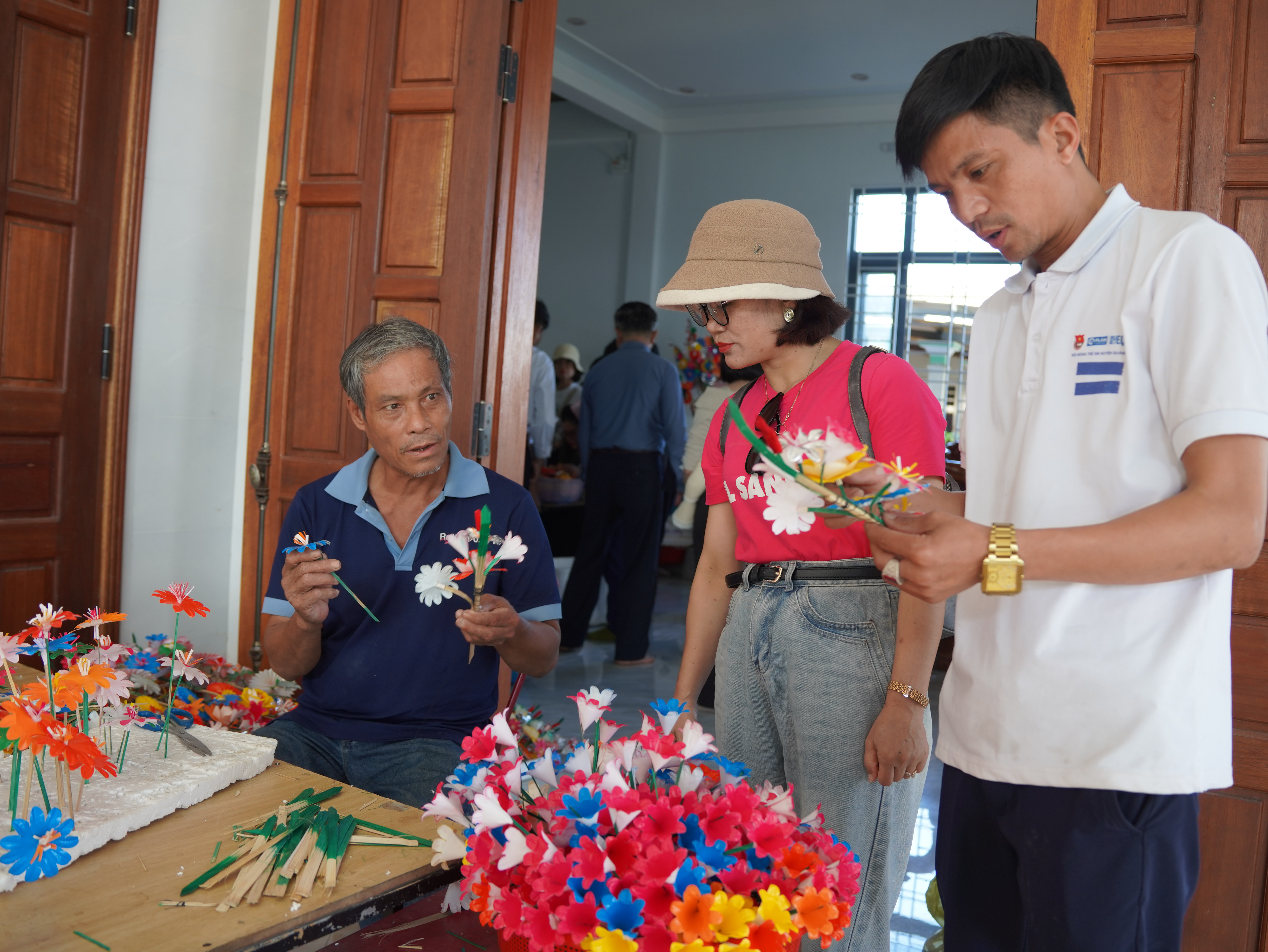
Visit Thanh Tien paper flower village, Hue city, March 2026
As part of the study visit, participants visited and learned about several livelihood models in Hue city, including community-based tourism in the Thanh Tien paper flower village, the Quang Tho pennywort production cooperative, the Bao La rattan and bamboo cooperative, and the Tam Giang lagoon community-based tourism model. Through discussions with cooperative representatives, local residents, and artisans, participants gained insights into organizational structures, operational modalities, financial management, access to the market, as well as key success factors and challenges in implementing each model.
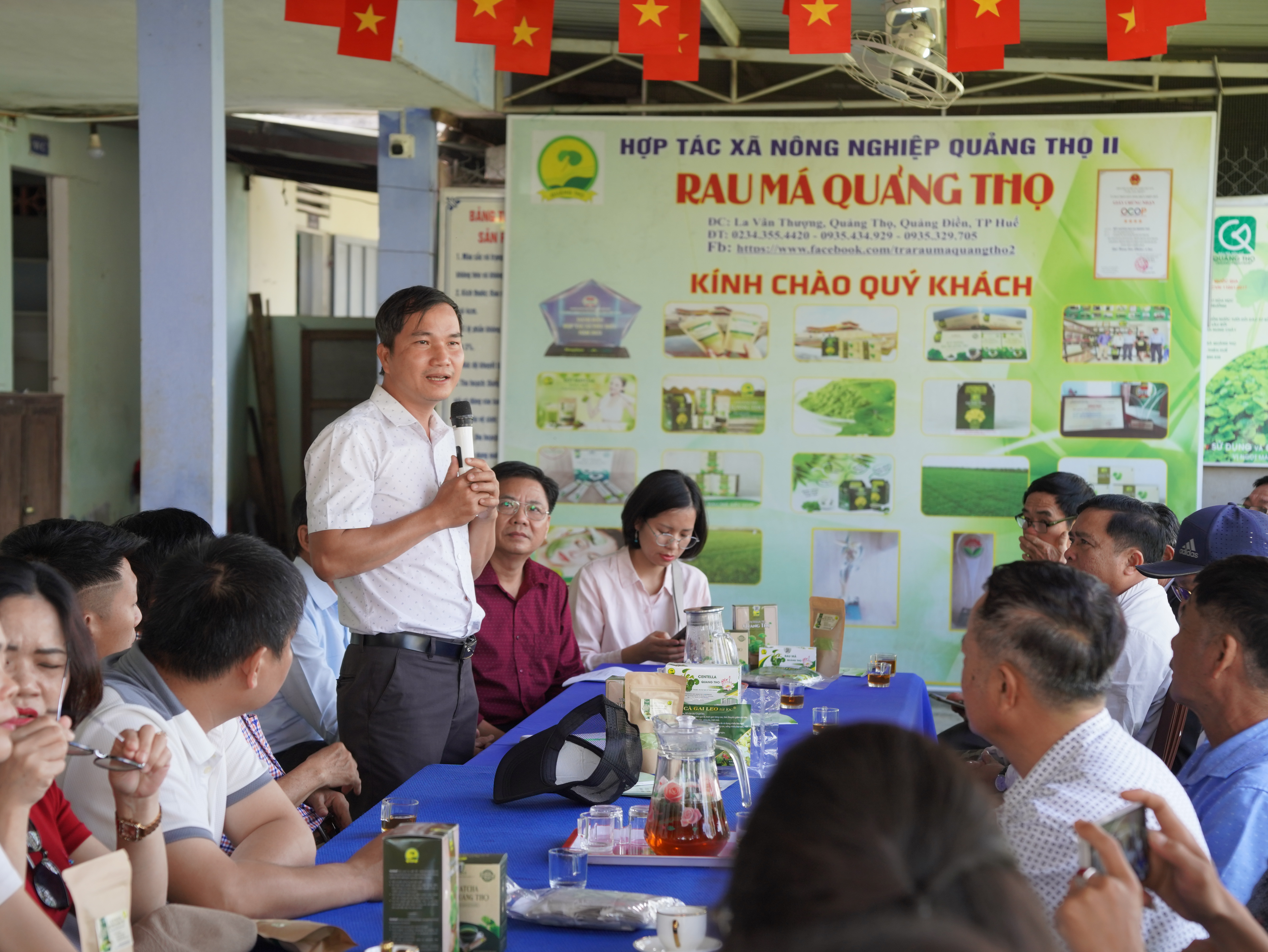
Visit Quang Tho pennywort production cooperative, Hue city, March 2026
The models showcased diverse potential for developing stable and sustainable livelihoods for local communities through a combination of agricultural production, traditional handicrafts, and experiential tourism development. In particular, the role of cooperatives, community participation, and access to the market were identified as critical factors in enhancing product value, expanding market access, and ensuring equitable benefit-sharing. At the same time, challenges such as limited infrastructure, financial resources, young and inexperienced labor, and market access capacity were openly discussed.
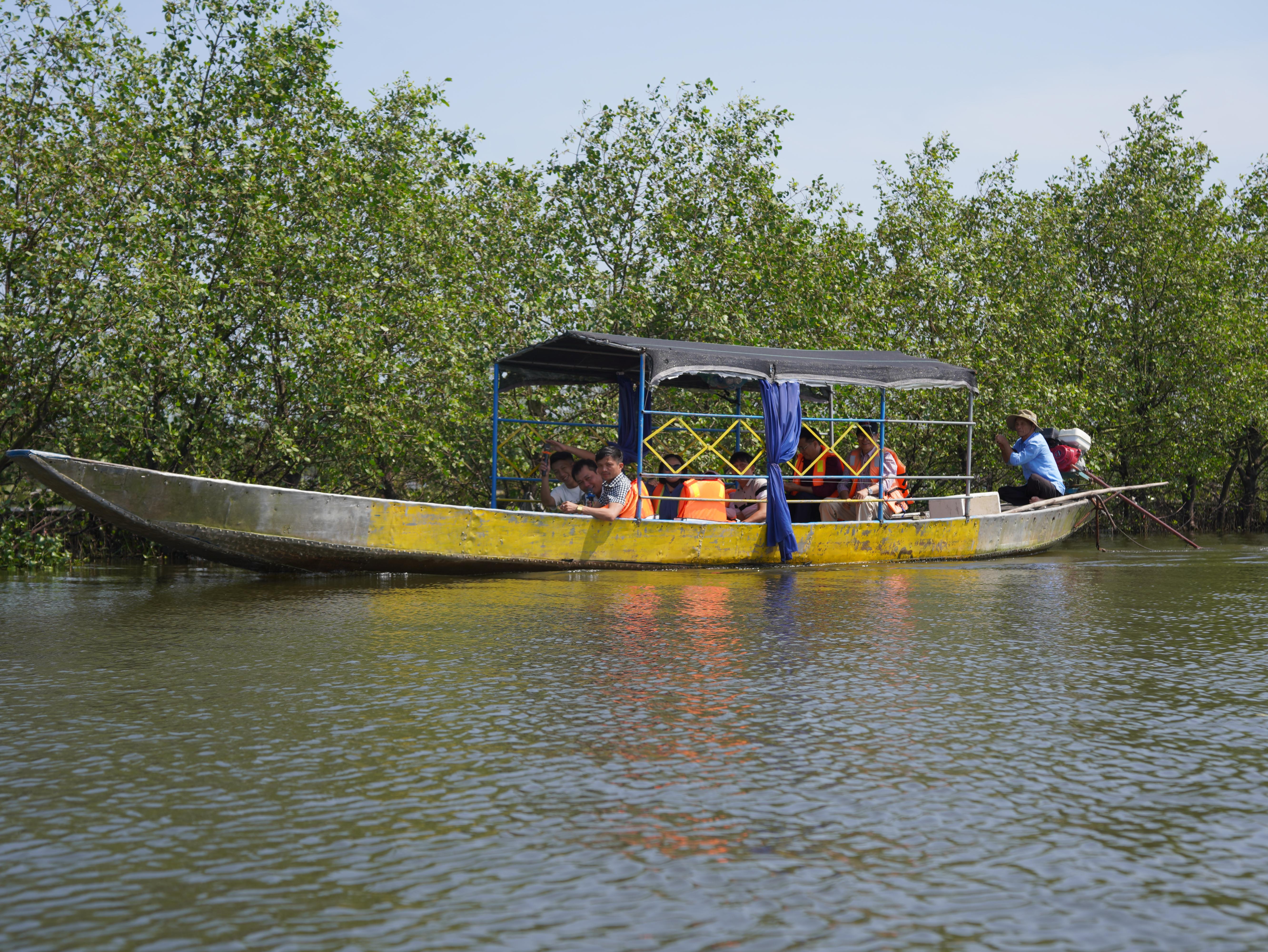
Visit Tam Giang lagoon community-based tourism model, Hue city, March 2026
Through the study visit, participants also discussed the applicability of these sustainable livelihood development models for their local communities in Quang Ninh and Bo Trach communes, especially for groups at risk of engaging in illegal migration or wildlife-related illegal activities abroad. Discussions emphasized the importance of selecting and adapting livelihood models to local conditions, while strengthening linkages among households, socio-political organizations, and local authorities to support sustainable development.
This study visit is a follow-up to the series of trainings on preventing risks from illegal migration and violations of wildlife protection laws in Malaysia and Thailand”, organised by WCS Viet Nam in partnership with CRRD in December 2025 and January 2026. In the coming period, participants will integrate sustainable livelihood messages into their community outreach activities.
The study visit was conducted within the framework of the project “Transboundary problem-solving to prevent the international trafficking of Malayan tigers” funded by the Illegal Wildlife Trade Challenge Fund (IWTCF) under the UK Government's Department for Environment, Food and Rural Affairs (DEFRA).