Viet Nam has long been identified as an important link in the global illegal wildlife trade (IWT) network, serving not only as a consumer market but also as a transit hub and, in some cases, a source country for endangered wildlife species. Periodic crime and law enforcement reports jointly produced by WCS Viet Nam and domestic justice sector agencies consistently paint a picture that reflects both positive developments resulting from law enforcement efforts and persistent challenges that remain.
One of the clearest trends observed across recent reporting periods is that the number of wildlife-related violations detected, intercepted, and subject to criminal proceedings remains high. This trend is evident throughout the criminal justice process, from arrests and case initiation to prosecution and adjudication. The situation indicates that pressure from illegal wildlife trade within society shows no clear signs of decline and may even have rebounded strongly following the COVID-19 pandemic. At the same time, the high number of cases also reflects strengthened capacities among competent authorities to detect, investigate, and handle wildlife crime, supported by an increasingly comprehensive legal framework and closer coordination among agencies, including the Police, Customs, Forest Protection Department, Border Guard, Procuracies, and Courts.
The data collected further confirm that Viet Nam simultaneously plays three roles in the illegal wildlife trade chain: a consumer market, a transit point for wildlife products destined for other markets, and, in some cases, a source of wildlife products. Most detected cases are domestic in nature, with the hunting, captive keeping, transportation, and consumption of wildlife taking place within the country. However, a significant proportion of cases continue to involve cross-border trafficking routes, particularly those involving products originating from Africa, such as ivory and rhino horn, as well as products originating from neighboring countries in Southeast Asia.
The species primarily targeted for hunting and trafficking remain endangered, rare, and protected wildlife species with high economic value on the black market. Processed wildlife products, including ivory, pangolin scales, rhino horn, and dried or further-manufactured wildlife parts, continue to be seized in large quantities. This indicates that demand for such products, whether for medicinal purposes, decoration, gifts, or status signaling, remains persistent in society.
Notably, criminal methods and tactics are shifting increasingly toward the online environment. The use of the internet and mobile phones for communication and transactions is becoming more common alongside traditional forms of face-to-face trading. The “digitalization” of illegal wildlife trade presents new challenges for law enforcement agencies in monitoring, detecting, and collecting evidence, particularly as these agencies have historically been more familiar with traditional forms of transactions.
From the perspective of law enforcement agencies, offenses relating to the protection of endangered, precious, and rare species under the Penal Code continue to serve as the primary legal basis for prosecuting wildlife crime, reflecting the central role of these provisions in addressing wildlife-related offenses. To improve the effectiveness of efforts to prevent and combat wildlife crime in the coming period, it will be necessary to continue strengthening the legal framework, enhancing investigative capacity, promoting inter-agency coordination and international cooperation, and conducting further research and assessment of the effectiveness of existing sanctions to strengthen their deterrent effect.
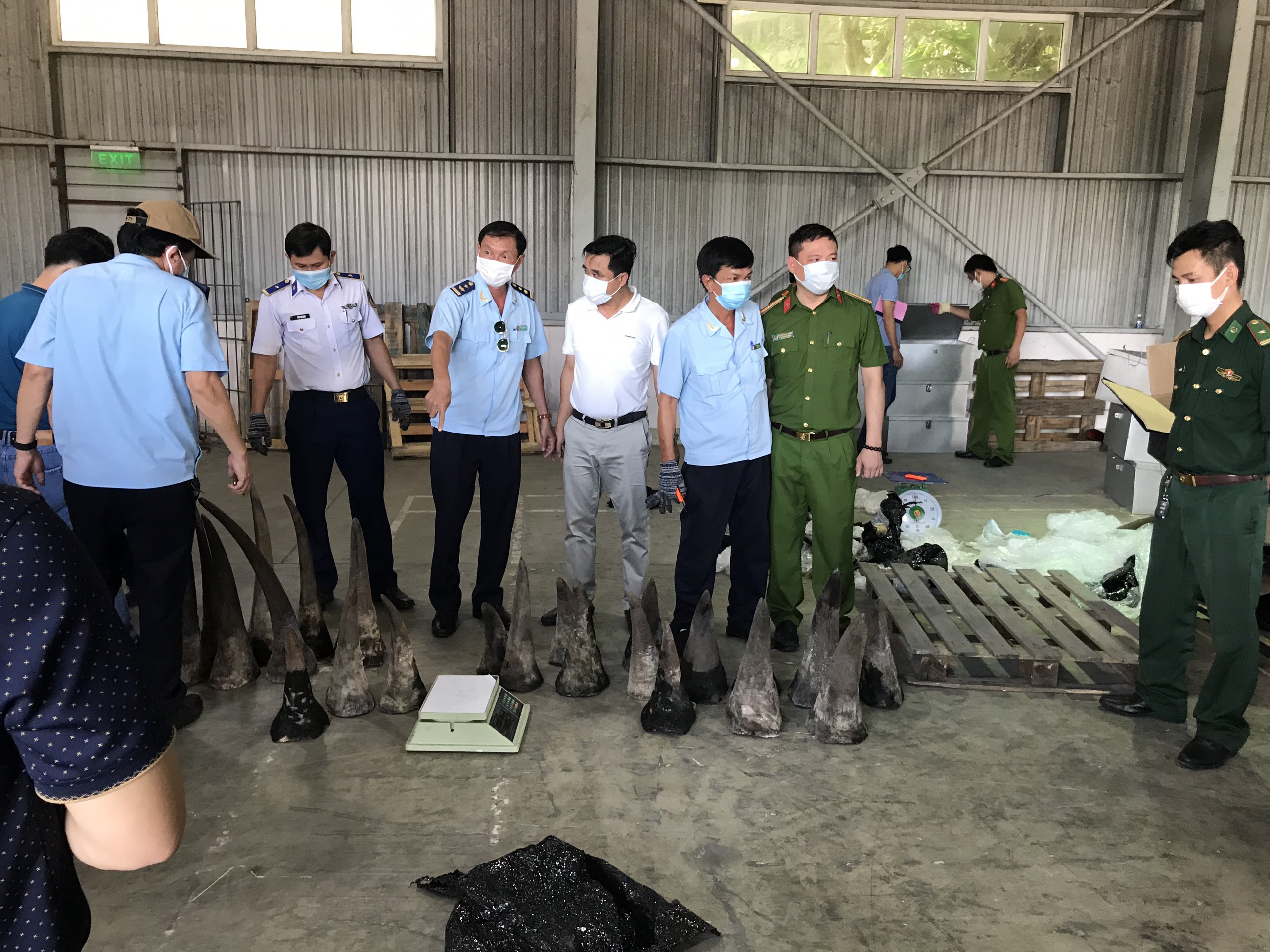
The seizure of 138 kg of rhino horns in Da Nang by participants in a WCS training programm, July 2021
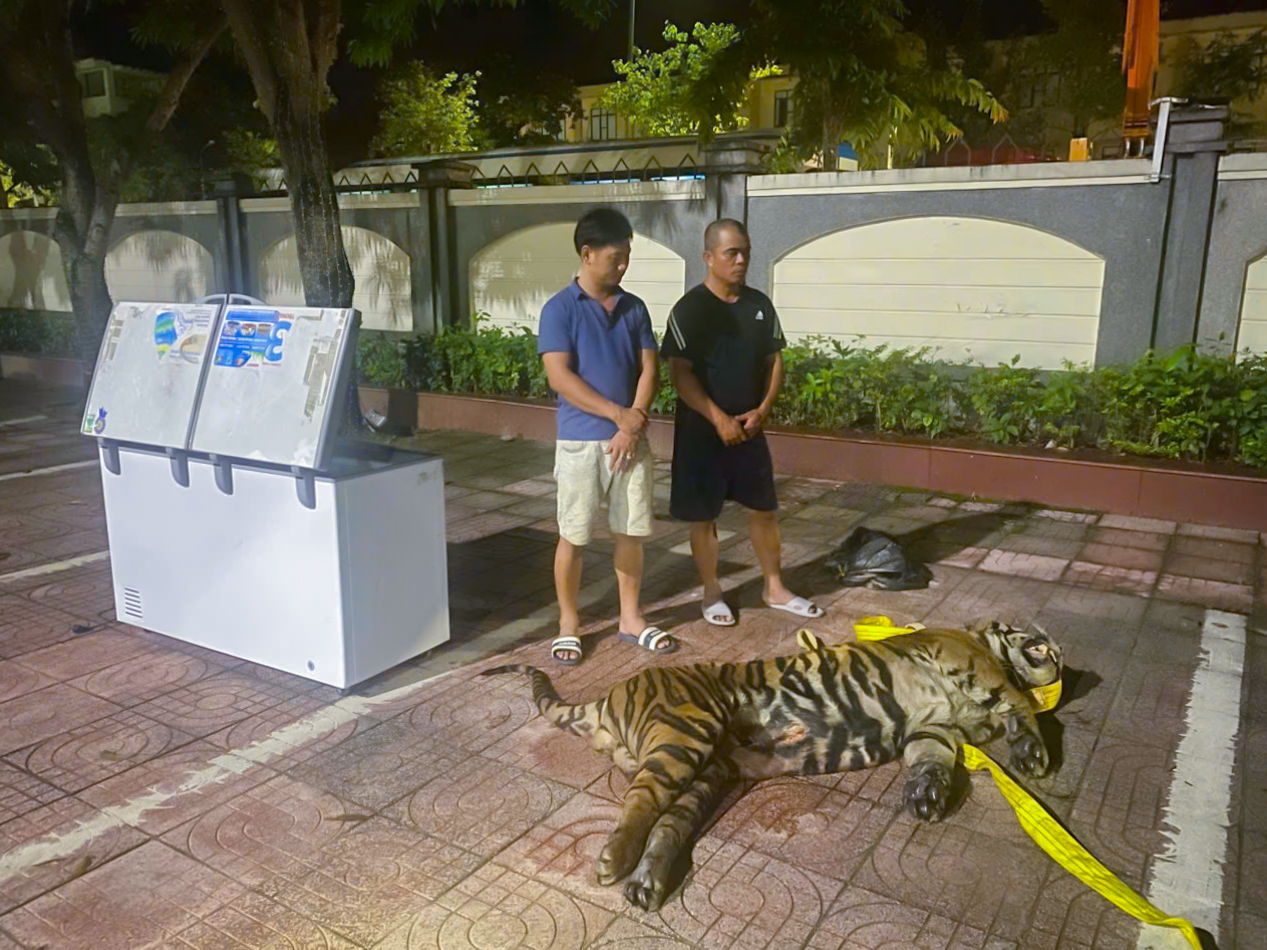
An illegal shipment of a 200kg tiger was intercepted in Ha Tinh province, an operation carried out by a participant in a WCS training program, August 2025