This westernmost province of Indonesia is indeed home to a wealth of biodiversity found both on land and in its waters. There are eight conservation areas managed by the Aceh Natural Resources Conservation Agency (KSDA), covering a total area of at least 424,849.99 hectares. Two of the most vital conservation areas are the Rawa Singkil Wildlife Sanctuary and the Banyak Islands Nature Park.
The Rawa Singkil Wildlife Sanctuary is home to Sumatran orangutans, sun bears, clouded leopards, marbled cats, and jungle cats. Additionally, the Rawa Singkil Wildlife Sanctuary plays a crucial role in the wetland ecosystem, with its peat swamps serving as carbon sinks. Support from the WCS Indonesia for conservation in the Rawa Singkil Wildlife Sanctuary includes patrol activities using the Spatial Monitoring and Reporting Tool (SMART) as part of efforts to protect the sanctuary from illegal hunting and oil palm land clearing. Awareness-raising activities are also being actively carried out to build awareness among communities in buffer zone villages regarding the importance of preserving biodiversity.
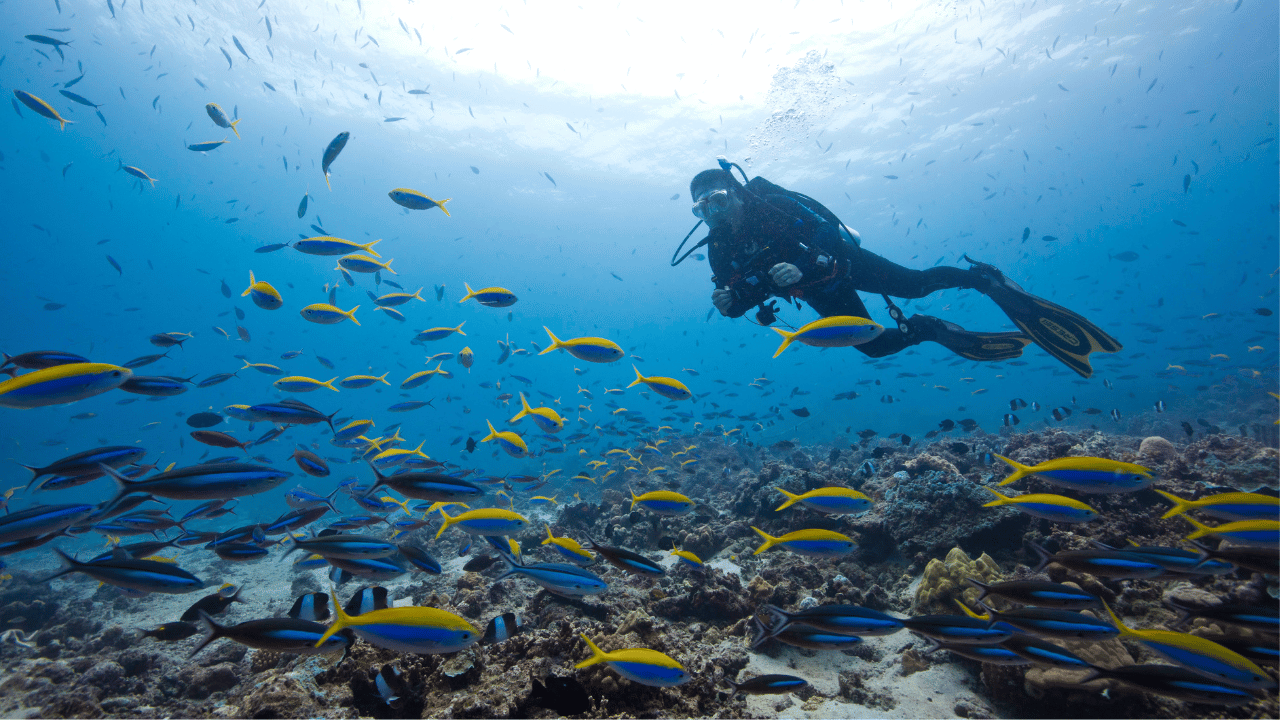

To address challenges in Aceh’s marine waters, WCS Indonesia supports the Aceh Natural Resources Conservation Agency in its efforts to protect eight Marine Protected Areas (MPAs), including the Banyak Islands Marine Nature Park. These efforts include the protection of 7,069 hectares of coral reef ecosystems and 86.5 hectares of mangrove forests. WCS Indonesia also supports sustainable marine and fisheries management in Sabang, Aceh Jaya, and Aceh Besar by promoting responsible fishing practices through regulations on fishing gear, catch size limits, and bycatch prevention. These efforts aim to protect 649 species of reef fish and an 800-hectare shark sanctuary.
WCS Indonesia supports the Aceh Natural Resources Conservation Agency in community-based MPA management by enhancing the capacity of Panglima Laot, local traditional marine leaders, in institutional development. Additionally, WCS Indonesia provides training support for fishermen and women’s groups to improve their livelihoods through the development of small-scale businesses. These efforts also aim to promote gender equality and implement a community-rights-based conservation approach.